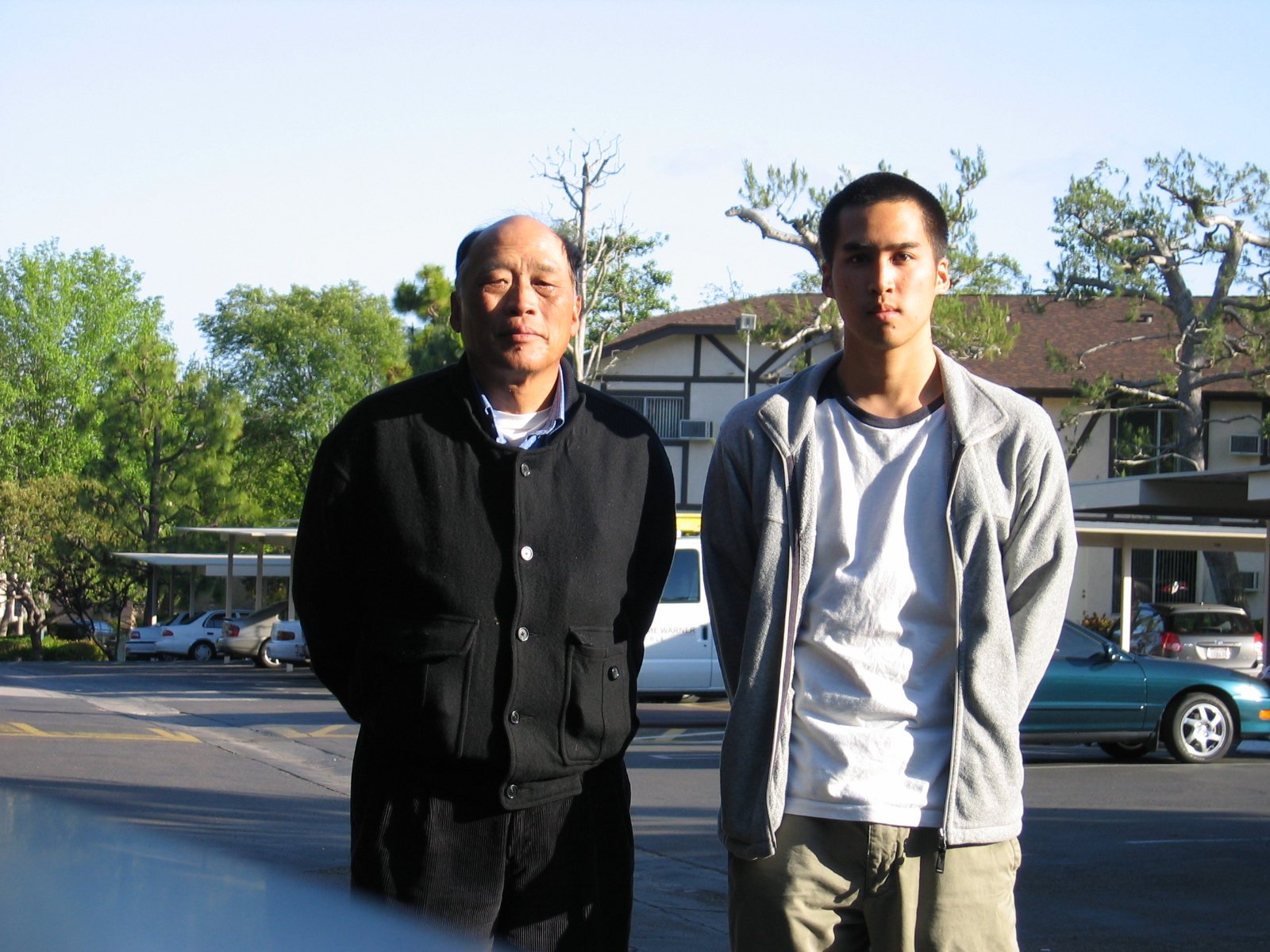
In my 20s, on my way to work, I got a flat tire. I was driving on the 680-N freeway when I heard the tire axle clunk along the asphalt. Luckily, I was near my exit so I headed off the freeway and pulled over into an empty parking lot.
I had recently started a part-time job as a manager for an after school program in Pleasanton, California. At the time, I had no savings, no car of my own, plus a ton of credit card debt, so I was desperate and eager to please.
I borrowed my dad’s old silver Toyota Camry for the commute and got the flat just a few months into the job.
“Shit,” I cursed to myself as I stepped out of the car to assess the situation.
I didn’t have much time before the start of my shift and the stress and the warm spring weather caused sweat to seep through my dress shirt.
I have no talent or enthusiasm when it comes to fixing cars. My father taught me how to change my oil so that those guys at the oil change shop wouldn’t “rip me off” as he’d often say. To this day I prefer letting those oil change guys “rip me off” for the convenience and time-savings. Sorry, Dad.
So when I got the flat, by then having never changed a tire in my life, I pulled out my phone and tried searching online. I had an old iPhone on a cheap data plan so browsing was slow plus the results were confusing.
“Fuck this.” Maybe I should call my dad.
It was his car and he knew about fixing stuff. But part of me was hesitant.
A few years before this phone call, he kicked me out of the house. Unemployed and staying at my parents place, I had asked my mom to lend me $500 to help pay my credit card minimum payments.
When he learned that, he wasn’t happy.
“You think this is free hotel? Get out of my house!”
Over the next few years, I couch surfed, got part-time work, and eventually found some modicum of financial independence. My father saw that I was trying and the tension between us lessened, but lingered.
Damn it. Time was running out.
I also knew that my father, a former engineering professor at a prestigious university in Taiwan, couldn’t turn down an opportunity to show off his knowledge be it fixing cars, Taiwanese geopolitics, The Sound of Music, etc...
I called my dad.
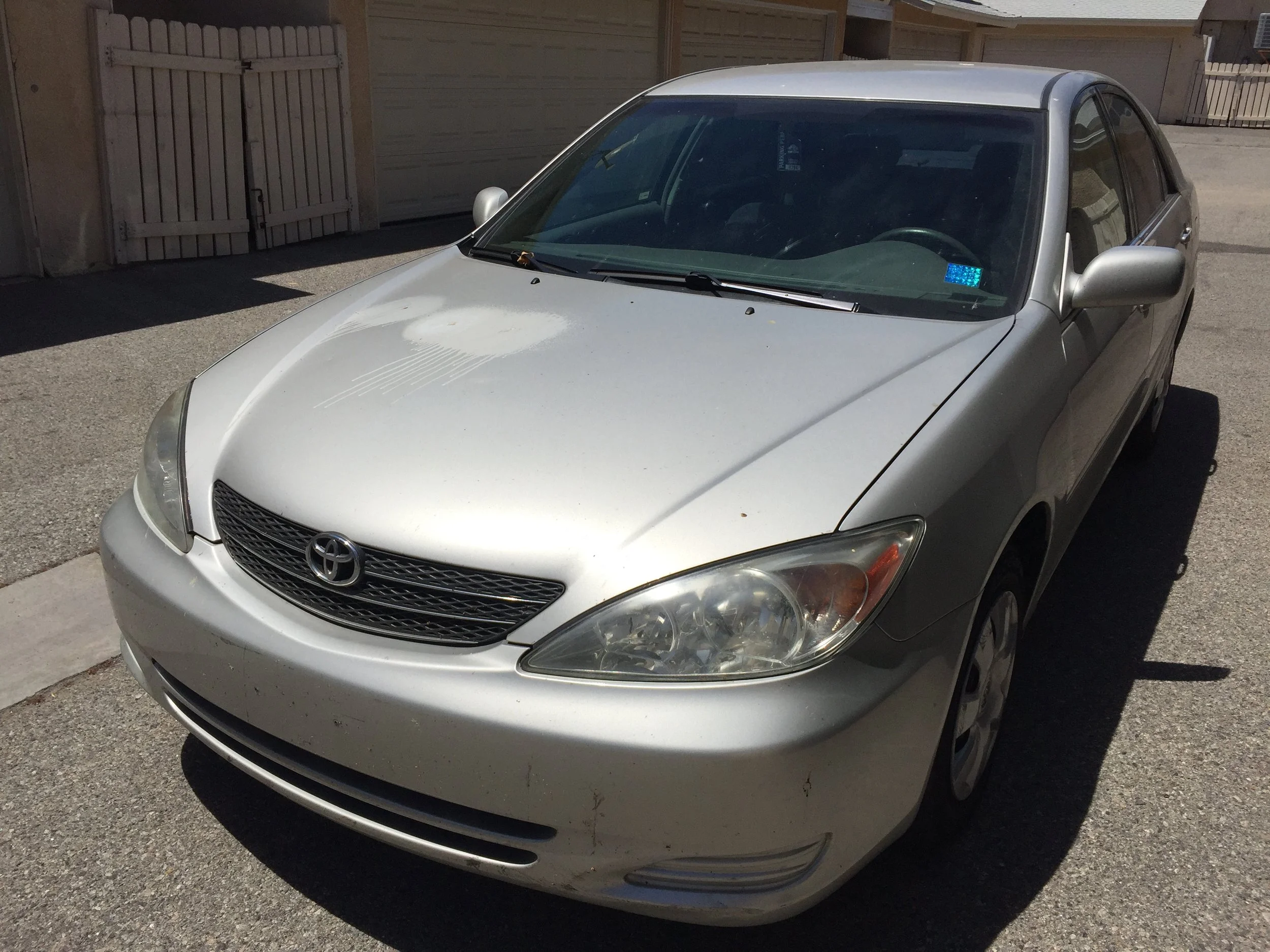
“Dad, the Camry has a flat. The front right side. If I don’t fix it soon, I’ll be late for work…,” I said, the words spilling out.
“Okay, calm down,” my dad said.
“Do you have AAA? But it might take too long for them to get here…”
“Hold on.”
“I found some tools in the trunk, but that will probably take a lot of time too…”
“Young man! Relax!”
I had been pacing beside the car, but when he said this, I froze.
His voice had no anger, no malice, yet my body tensed as his shout echoed through the phone. My ego felt bruised. Young man? I’m not that young; I’m a grown ass man.
As the youngest child, being treated like a kid was expected. But this was the first time he explicitly called me “young man” and it got a rise out of me.
“Young man, relax, okay? We take step by step,” my dad continued.
I looked at my watch. I stared at the flat tire and breathed in and out.
“Fuck,” I said noiselessly to myself.
“We go one step at a time.”
His voice became calmer, lowering the tension.
“Just relax, we change the tire together, okay?,” he said.
Relax. I had no other options. I needed to get to work.
“Okay.”
“Now, there should be a car jack in trunk. Next to wrench tool. We need to lift car.”
I opened the trunk again. In my panic, I didn’t even register seeing the red metal car jack.
I took out the jack and placed it under the car near something that seemed solid.
“I put it under the car. What’s next?”
“No, no, you cannot just lift from anywhere. There is a special flat area behind the front wheel for lifting the car, need to put there. Don’t rush.”
I sighed. I searched the bottom of the car and found the area my dad mentioned and put the car jack there.
“Okay, I see it. It’s there now.”
“Good, now we go one step at a time.”
My dad then walked me through changing the tire, from loosening the lug nuts, putting on the spare, to putting the lug nuts back and tightening them in a crisscross pattern.
I put the tools and the flat tire into the trunk. I rinsed my hands with the drinking water I kept in the car, wiped my brow, and got ready to drive off.
“All done.”
“Okay, drive carefully. When you get back, you need to find a good tire place to replace with a real tire. Maybe have to replace all four tires. But don’t get rip off. We talk when you get back.”
Okay, thanks, Dad.
With his help, I made it in time for work, albeit a bit dirty and sweaty.
I’m not exactly sure why, but after my father passed away, this small moment we had over the phone floated up from my memory and would stay with me for days.
As I write this, another memory comes to mind about my father.
In my 30s, while visiting my parent’s house, I was sitting at the dining table reading some mental health documents from a binder I got at a retreat.
My dad entered the kitchen and sat across from me. It seemed like he was mulling over something, so I looked up at him.
“James, I’m sorry. I feel like I was too hard on you. I was also too hard on your brother and sister.”
This was the first time I had heard my father apologize to me.
I closed the binder, unsure of what to say. It was a sunny afternoon and since my parents kept the blinds open during the day, sunlight lit his face.
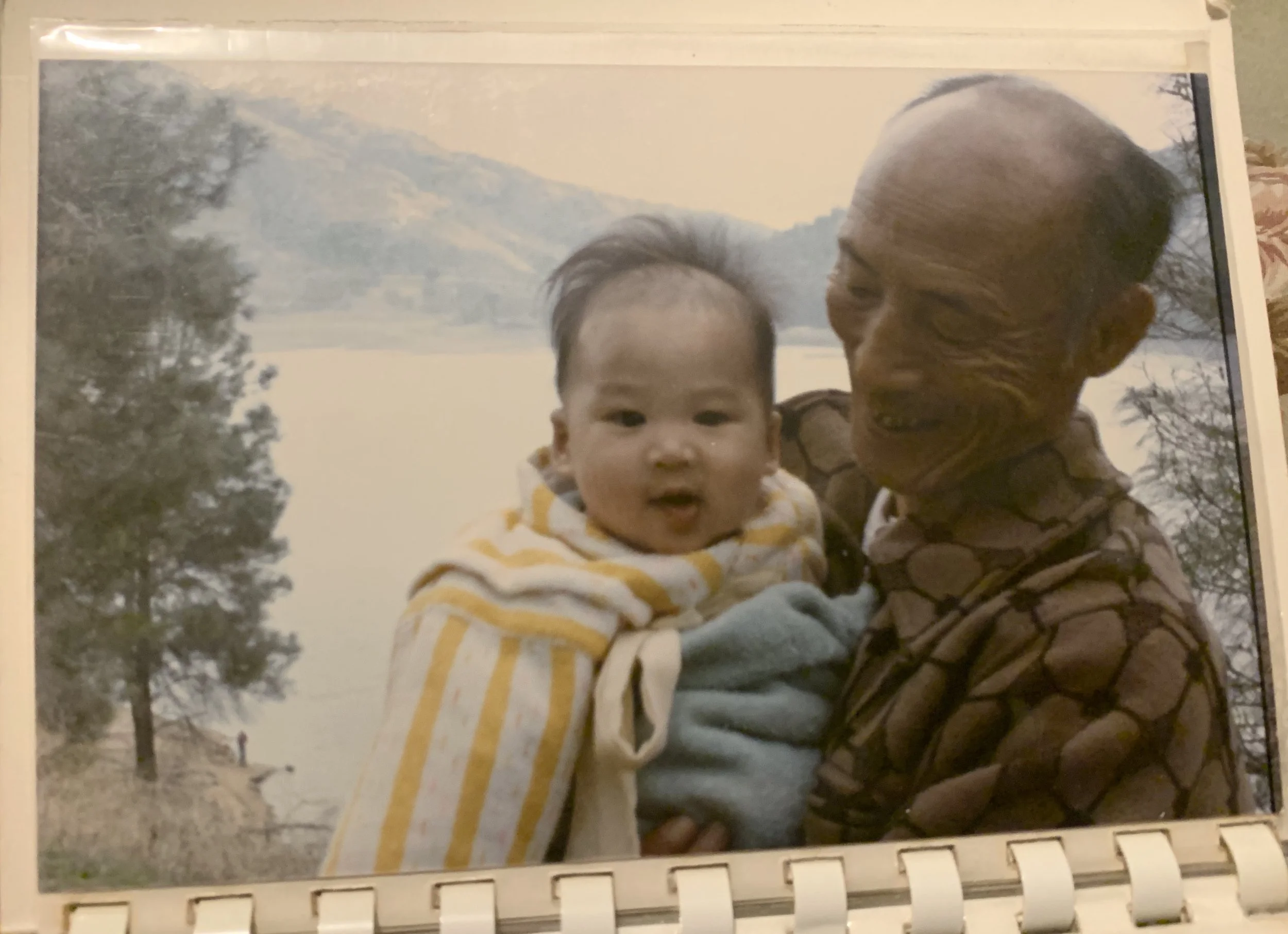
“My father, your A-gong, grew up in Lukang under Japanese system. Samurai spirit. No emotion, very strict. He was very hard on me. So I follow him. But I shouldn’t have.” [1]
He said this as if he had been carrying it for a long time.
When I was about eleven, my dad attended one of my karate belt examinations. Knowing he was there, I put more power into my kiai and movements.
After receiving my new belt, I ran up to show him.
Without looking at it, he said to me, “Your stance and kicks look sloppy.”
I quit karate shortly after.
Back at the kitchen table, I studied the shadows on his wrinkled face.
“You did your best. A-gong was very hard on you.”
“I still feel very bad. I’m sorry.”
When he said this, I could feel a layer from the thick wall between my father and I crumble and us getting closer.
I was surprised but it didn’t feel like it came out of nowhere. He had been dealing with medical issues for some time at this point. Not long before this, he had gone into critical care and almost died.
The near-death experience made my dad more thoughtful, sensitive. Behind that rigid exterior that would scare all my cousins, my father started revealing that incredibly emotional side of him that the immediate family all knew he had. He just didn’t have the tools to properly express those feelings before and would lash out at times. This apology was a big step forward.
He had been going through his own journey as I continue to go on mine.
My father’s apology, along with the collection of moments like him guiding me through a tire change in that Pleasanton parking lot, helped us heal.
A few years after this apology, my older brother had a child and my parents would often take care of her. When I’d visit, I’d be struck with how warm my father had become. Like my A-gong was to me, my father was to his granddaughter—a hard, strict man turned soft, loving grandpa.
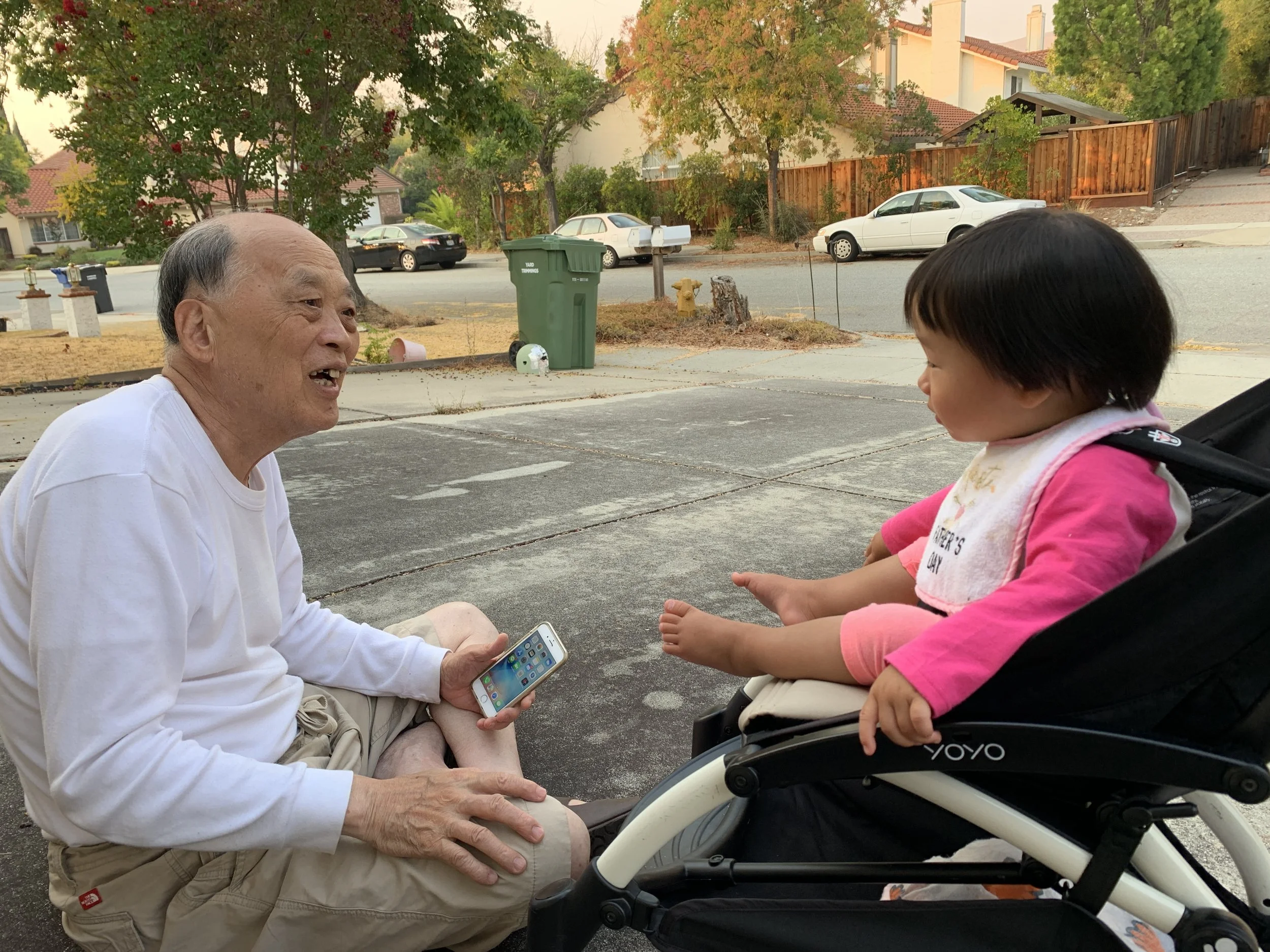
During this time my father, sitting across from me in the same seat he had apologized to me in a few years before, was looking out into the living room at his granddaughter, my niece, as she played with some picture books. He turned to me and said:
“James, watching a baby you learn a lot. You see, a child is innocent. Don’t need to be so hard on them. They just need love.”
Now in my 40s, I’m around the same age my father was when he welcomed me into this world. I write this a few feet away from the crib of my infant daughter. My father has been gone for more than a year and I’m a new father.
It was his birthday a few days ago.
It’s a shame he left before seeing his second granddaughter.
A thought that rises up from my imagination is that my father, as he was leaving, was able to hold my daughter as she made her way to this plane.
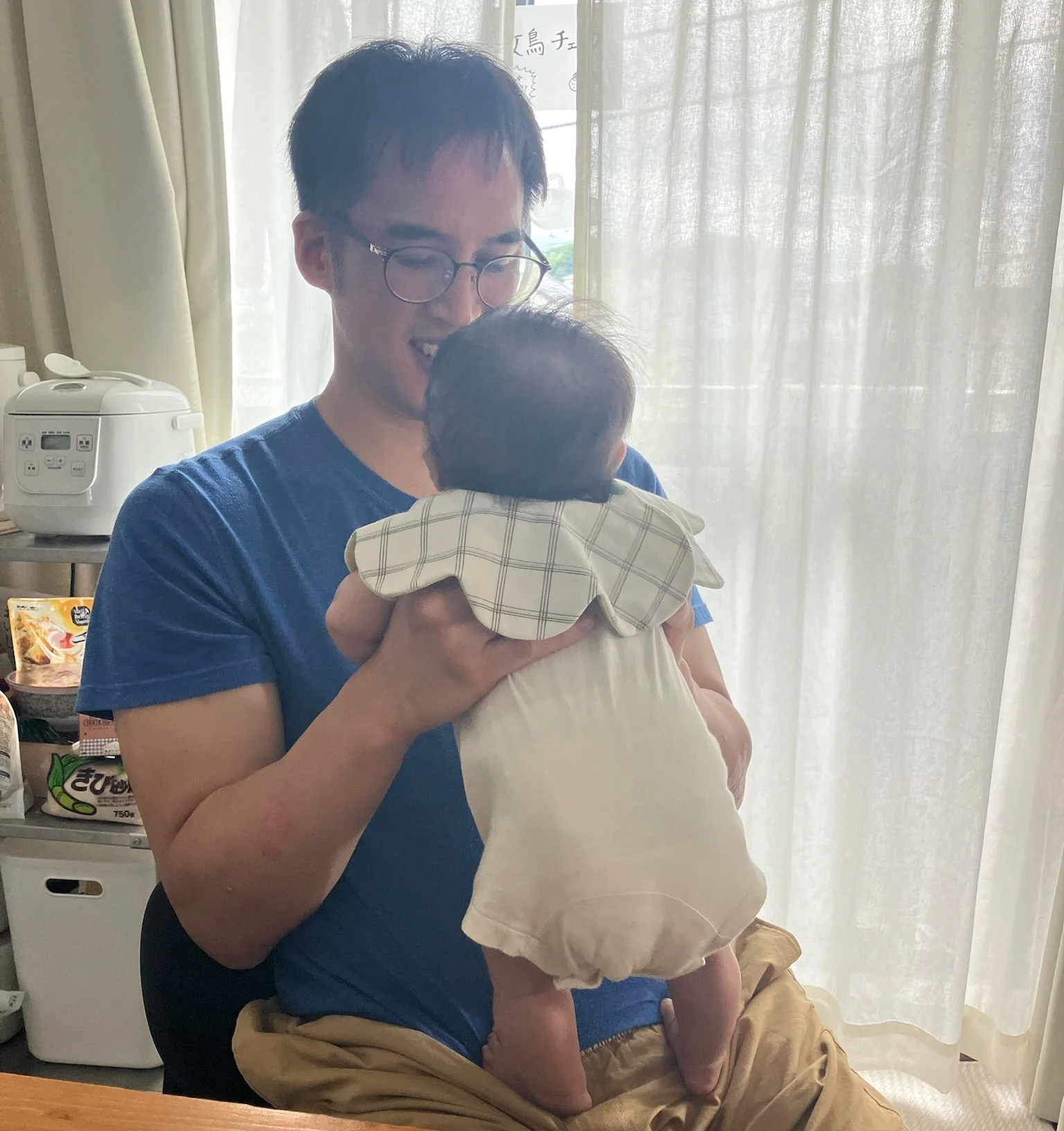
I don’t pray often, but I prayed for the safe delivery of my child and after she was born, I prayed to my father. I told him that I’m a father now too.
That I will pass on what I learned from you, to her. And that I won’t be too hard on her. That I will show her love.
As I move into fatherhood, I feel like that young man again, but this time the advice I need is so much more important and I can’t call you. But I can recall you.
And I feel your voice, guiding me, showing me your triumphs, your mistakes. You telling this young man to take it one step at a time.
Daddy, I miss you terribly.
I love you.
Your son,
James
June 10, 2026
Yokohama, Japan
—Credits—
Writer: James Y. Shih
Editor: Richard Sue
Special Thanks: M
—Footnotes—
Taiwanese cultural notes:
A-gong: Taiwanese Hokkien term for grandfather. 阿公 (pinyin: āgōng).
Lukang (鹿港), aka Lugang, is a port city in Changhua County, Taiwan and is popular with tourists. It’s my A-gong and father’s hometown and the Shih family’s ancestral home.
From 1895 to 1945, Taiwan was under Japanese rule. Therefore, my grandparents and other Taiwanese of their generation grew up under the Japanese education system and government.